circumcision
 What is circumcision?
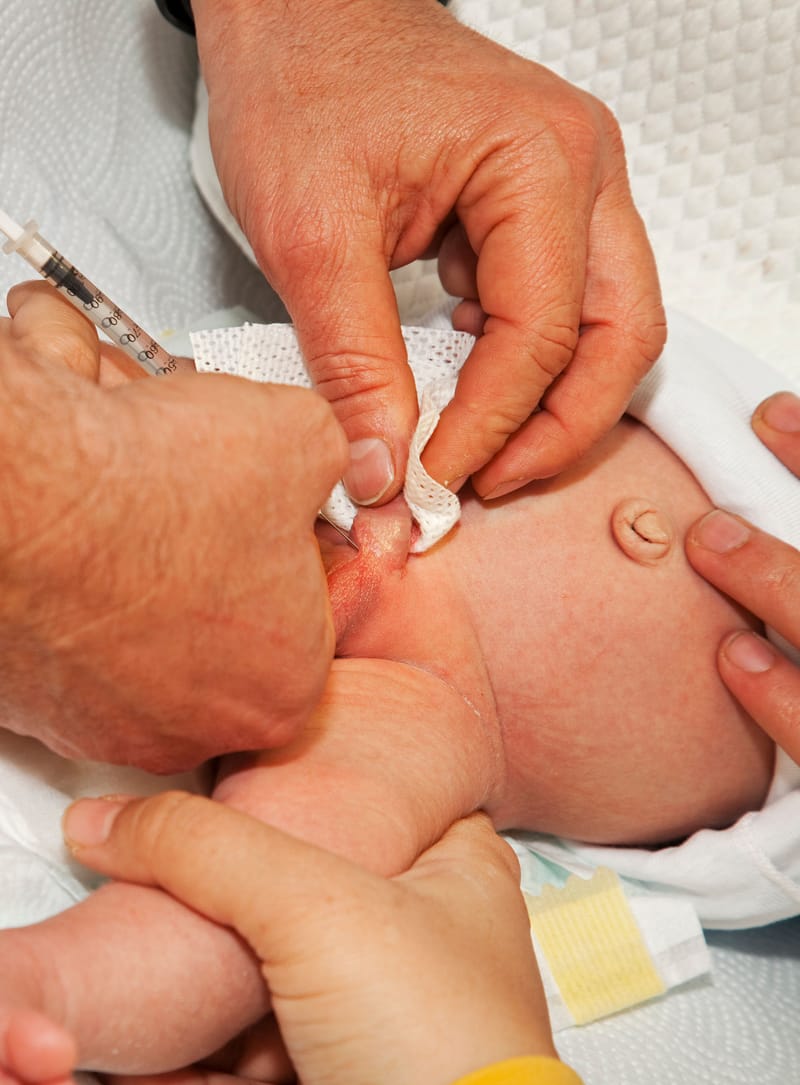
Circumcision is a commonly performed minor surgical procedure that involves the removal of the foreskin, the fold of skin that covers the head (glans) of the penis. It may be carried out for a variety of reasons, including medical, hygiene, cultural, or personal preferences.
From a medical perspective, circumcision is often recommended in cases where the foreskin cannot be retracted properly (a condition known as phimosis), or when there are recurrent infections such as balanitis (inflammation of the glans) or balanoposthitis (inflammation of both the foreskin and glans). In some individuals, circumcision may also help improve hygiene and reduce the likelihood of future irritation or infection.
The procedure is suitable for both adults and children, and each case is carefully assessed to determine the most appropriate approach.
How does the procedure work?
Circumcision is performed in a clean, sterile clinical setting by experienced practitioners. Before the procedure begins, a thorough consultation is carried out to understand your medical history, assess the condition, and explain the treatment process in detail.
On the day of the procedure, local anaesthesia is administered to numb the area and ensure maximum comfort throughout. Once the area is fully anaesthetised, the foreskin is gently and precisely removed using safe surgical techniques. The remaining skin is then carefully positioned, and fine sutures (stitches) are used to support proper healing and achieve a neat cosmetic result.
The procedure itself is relatively quick, typically taking between 30 to 60 minutes. After completion, a protective dressing may be applied to keep the area clean and reduce the risk of infection during the initial stages of healing.
Our team ensures that the entire process is handled with care, professionalism, and sensitivity, prioritising both safety and patient comfort at every step.
What can I expect after the procedure?
Following circumcision, it is normal to experience some mild swelling, redness, and discomfort in the treated area. These symptoms are usually temporary and tend to improve within a few days. Any discomfort can typically be managed with simple pain relief if needed.
Patients are usually able to return home shortly after the procedure and resume light daily activities within a day or two. However, it is important to avoid strenuous physical activity, heavy lifting, and sexual activity for a few weeks to allow proper healing.
The healing process generally takes around 2 to 4 weeks, although this can vary slightly from person to person. During this time, keeping the area clean and following aftercare instructions is essential. You may be advised on how to change dressings, maintain hygiene, and recognise signs of normal healing.
Follow-up guidance is provided to ensure that recovery is progressing as expected and to address any concerns you may have.
Are there any risks?
Circumcision is considered a safe and routine procedure when performed by trained professionals in a clinical environment. However, as with any surgical treatment, there are some potential risks to be aware of.
These may include mild bleeding, temporary swelling, infection, or discomfort during the healing phase. In some cases, there may be minor changes in sensitivity or slight delays in healing. Very rarely, complications such as excessive bleeding or wound issues can occur.
At Derma Revive Surgical, we take all necessary precautions to minimise these risks. This includes using sterile techniques, carefully controlling the procedure, and providing detailed aftercare instructions tailored to your individual needs.
Why choose Iclinical?
At Iclinical, we understand that undergoing a procedure like circumcision can feel like a sensitive and personal decision. Our goal is to provide a supportive, respectful, and professional environment where you feel comfortable discussing your concerns and confident in your care.